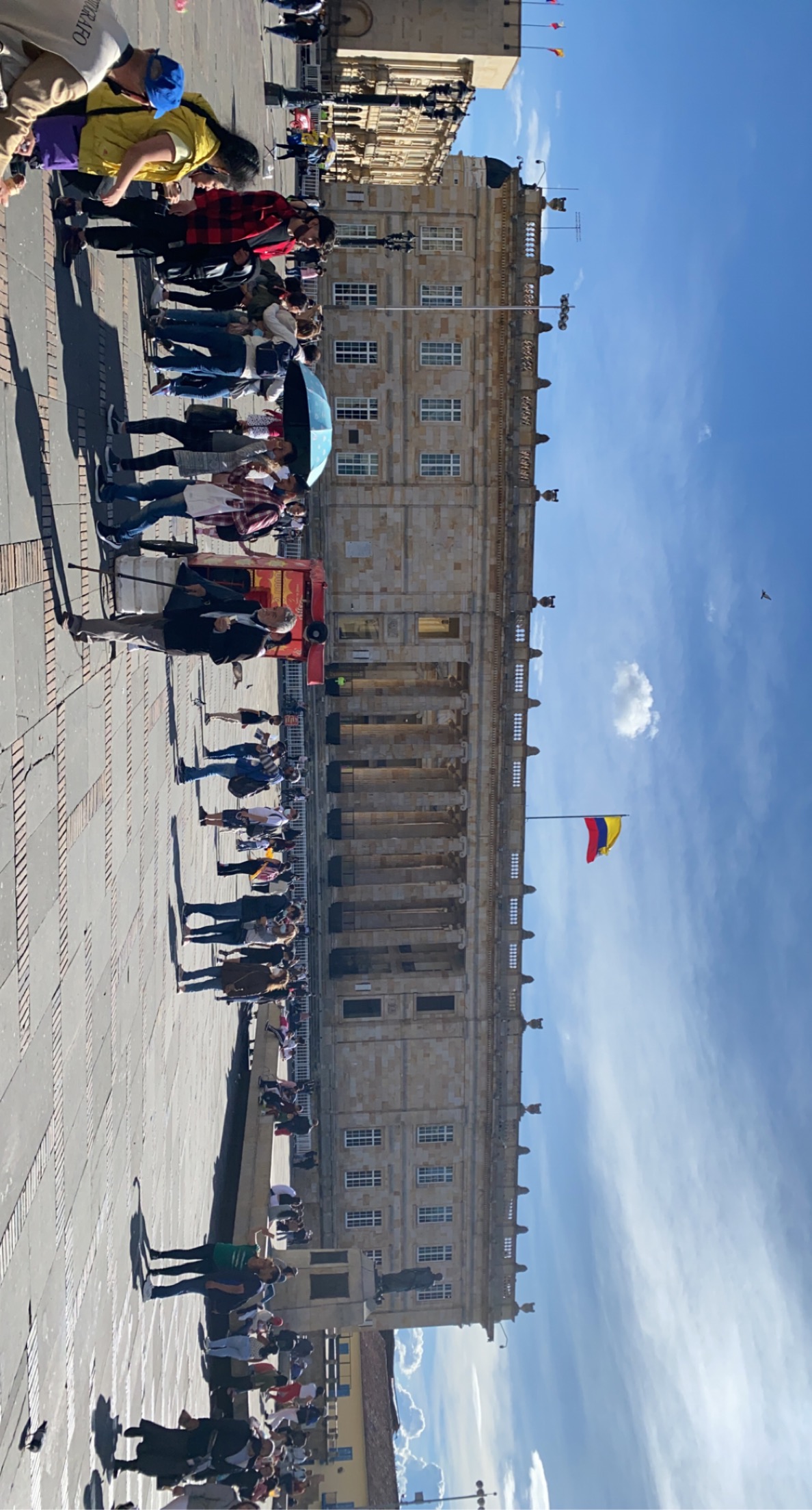
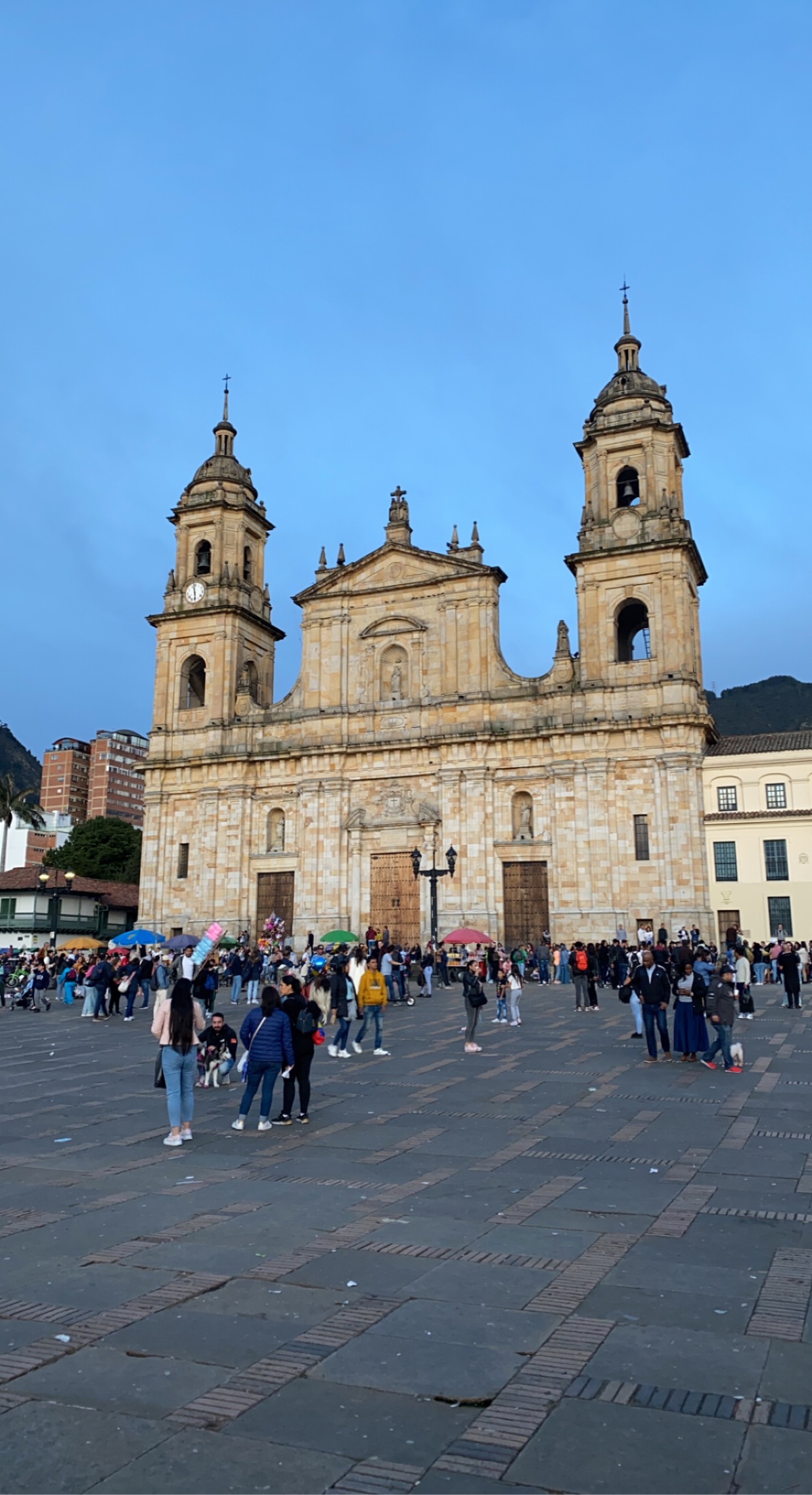

"Bogotá is not a hardship destination. It's a real city — beautiful, walkable, and full of life. I lived here for two years." — Sumit
Legal. LGBT-friendly. A fraction of US costs. And I know it firsthand — my daughter Arianna was born in Bogotá in January 2022. This is everything I wish someone had told me.
"Bogotá is not a hardship destination. It's a real city — beautiful, walkable, and full of life. I lived here for two years." — Sumit
Colombia has been quietly building one of the world's most IP-friendly surrogacy frameworks for over a decade. Most intended parents have never heard of it. That's exactly the problem LittleAngel.ai exists to fix.
Colombian law protects the IP's parental rights, but the process is nuanced. The registro civil (birth certificate) initially lists the biological father and the surrogate. A 3-way DNA test then proves paternity and establishes the surrogate is not the biological mother. Your lawyer takes this to court and a judge orders her name removed — a process that typically takes 12–24 months. You do not need to wait in Colombia for this.
✅ Established legal frameworkColombia has been one of the most LGBT-progressive countries in Latin America since 2016. Single intended parents and same-sex couples have the same legal standing as heterosexual couples.
✅ Same-sex IPs welcomeA comparable surrogacy journey in the US runs $150,000–$200,000+. Colombia delivers the same medical quality, the same legal protections, and the same outcome — for $50,000–$70,000 all-in.
💛 60–70% less than the USBogotá and Medellín are home to internationally accredited fertility clinics. The embryologists, reproductive endocrinologists, and medical teams are trained to global standards.
🏥 JCI-accredited optionsIf you're a US citizen, your child born abroad to a US biological parent is a US citizen at birth. You leave Colombia with your child on a US passport. No multi-year waits.
🇺🇸 Citizenship at birthBogotá is a 3-hour direct flight from Miami, 6 hours from Chicago. You'll make 2–4 trips throughout the process. Colombia is not a hardship destination — it's a beautiful country.
✈️ Direct flights from most US cities"I chose Colombia in 2019 because I spoke Spanish, had traveled Latin America over 20 times, and trusted the legal framework. What I didn't expect was how much I'd fall in love with the country — or that I'd end up living there for two years with my daughter, my dogs, and the man who would become my partner."
I'm not selling Colombia. I'm telling you what I know from doing it. The medical teams are excellent. The agencies (the vetted ones) are professional. And Bogotá in January 2022, holding Arianna for the first time — that happened in Colombia. So yes, I'm biased. But I'm biased because it worked. 💛
Every journey is different. But here is the typical sequence from first contact with an agency to bringing your child home — based on real experience, not brochure language.
You research and select a Colombian agency. Initial consultations happen remotely. Once you're ready, you sign the agency contract — this can be done from the US without traveling. The agency manages surrogate matching, medical coordination, and legal filings on your behalf.
⏱ 1–3 monthsYour first in-person trip covers your clinic appointment, sperm donation, meeting the psychologist and embryologist, and signing notarized contracts. You may also meet your surrogate on this trip if one has already been matched — but surrogate matching can happen later in the process. Most IPs complete this trip in 4–5 days.
⏱ 4–5 days in ColombiaThe clinic creates embryos using your genetic material and a donor egg. PGT (preimplantation genetic testing) is standard — it screens embryos for chromosomal abnormalities and identifies the healthiest candidates for transfer. Results typically take 3–4 weeks.
⏱ 6–10 weeksThe surrogate undergoes medical preparation. The embryo transfer itself is a short procedure — the surrogate doesn't need to stay in the hospital. You don't need to be present for the transfer, though some IPs choose to travel for it. The two-week wait follows.
⏱ 6–10 weeksA positive beta HCG blood test confirms pregnancy. The agency coordinates all prenatal care. You'll receive regular ultrasound reports remotely. Most IPs make zero trips to Colombia during the pregnancy — the agency keeps you informed throughout. Some IPs, like Sumit, choose to travel for key ultrasounds as a morale boost for the surrogate and for the personal experience of seeing their child grow — but this is entirely optional.
⏱ 9 monthsYou fly to Colombia 1–2 weeks before the due date. After birth, the registro civil (Colombian birth certificate) is issued listing the biological father and the surrogate — this is standard, not a problem. The surrogate formally hands the baby to you, coordinated by the agency. To exit Colombia with your child, you will need a notarized exit permission from the surrogate — your agency handles this.
⏱ 2–4 weeks in ColombiaYou file for your child's emergency US passport at the US Embassy in Bogotá. The surrogate must sign a DS-3053 consent form — your agency handles this. Passport issuance typically takes 3–5 business days. The CRBA (establishing US citizenship) is mailed to your home address. You are now free to go home.
⏱ 1–2 weeksBefore you leave Colombia, a 3-way DNA test is conducted between you, your child, and the surrogate. This establishes that you are the biological father and that the surrogate is not the biological mother. Once you return home, your Colombian lawyer takes this evidence to court, where a judge orders the surrogate's name removed from the registro civil. This process takes 12–24 months (Sumit's took ~18 months) and runs entirely in the background — your child is home with you, on a US passport, throughout.
⏱ 12–24 months (runs remotely, after you're home)Colombia has one of the most complicated reputations of any country on Earth — and one of the biggest gaps between reputation and reality. Here's what's actually true for intended parents making this journey today.
The Colombia of the cartel era is a historical fact — and a country that has worked exceptionally hard to move past it. Bogotá in 2025 is a city of 12 million people with a thriving expat community, a booming tech sector, and neighborhoods like Chapinero, Zona Rosa, and Usaquén that feel as safe as any European capital. Sumit lived there for two years. His dogs did too. He never felt unsafe in the neighborhoods where he spent his time.
Colombia is a Level 2 travel advisory from the US State Department — the same level as France, Germany, and the United Kingdom. Not Level 3 (reconsider travel). Not Level 4 (do not travel). Level 2: exercise increased caution, as you would in any major city anywhere in the world. The advisory cites specific regions — not Bogotá, not Medellín's tourist zones, not the areas where your surrogacy journey will take place.
Petty theft, phone snatching, and opportunistic crime exist in Bogotá — especially in areas tourists don't need to visit. Scopolamine (also called "devil's breath") is a real risk in nightlife settings if you're not paying attention. Don't accept drinks from strangers. Use Uber or InDriver, not street taxis. Don't walk around with your phone out in unfamiliar neighborhoods. These are not exotic precautions — they are the same guidelines any local would give you.
Colombia's security situation varies enormously by region. Border areas with Venezuela and parts of the Pacific coast have genuine security risks. Bogotá, Medellín's El Poblado and Laureles neighborhoods, and Cartagena's tourist zones are a completely different picture. Your surrogacy journey will keep you in major cities, in reputable clinics, with professional agency staff. You are not backpacking through conflict zones.
"I lived in Bogotá for two years. I walked to coffee shops. I took my daughter to the park. I went to restaurants and museums and markets. Was I careful? Yes — the same way I'm careful in Chicago or New York. Did I ever feel like I was somewhere dangerous? No. The Colombia fear is mostly in the mind of people who've never been. The Colombia reality is a beautiful, warm, deeply human country that changed my life. Go. See it for yourself."
These are real ranges from real journeys — not agency brochure estimates. Every journey differs based on number of transfers, surrogate compensation, and individual agency fees. Plan for the top of the range.
* The all-inclusive model is one of Colombia's biggest advantages over the US, where costs are itemized across agency, clinic, lawyers, and surrogate separately — making budgeting harder and total costs significantly higher. LittleAngel.ai will publish crowdsourced real cost data from verified IPs later in 2026.
Every agency featured on LittleAngel.ai has been evaluated based on real IP experience, legal track record, transparency, and LGBT-friendliness. No agency pays for placement here.
Sumit is personally vetting Colombia-based agencies before recommending any. Only agencies he would use himself will appear here.
Coming 2026If you've completed a journey in Colombia and want to share your agency experience, reach out. Your real data helps the next IP make a better decision.
Share your experienceI did this journey. Every step of it. I know the agencies, the clinics, the Embassy process, and what it actually costs. I'm here to help.